Speed skating provides a high-energy, performance-driven method of inline skating prioritising swiftness and stamina. Are you contemplating taking up inline speed skating, or are you merely intrigued by the activity? Here, you’ll discover what distinguishes speed skating from other roller sports.
Inline speed skating revolves around:
- Technique: Mastering advanced skills like the double-push.
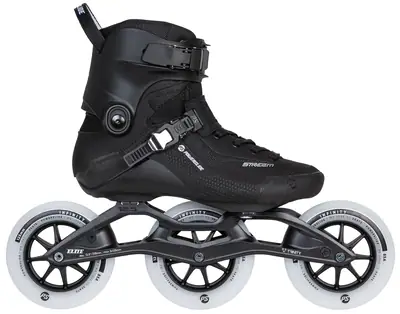
- Equipment: Utilising a low, rigid boot, a lightweight frame, and wheels up to 125 mm in size.
- Speed: Top-tier skaters achieve up to 60 km/h (37 mph) on flat surfaces.
- Community: A robust social component exists through speed skating clubs and events.
Overview

Initiating Your Speed Skating Journey
If you're considering speed skating, joining a club is an excellent choice. You will receive tailored guidance suited to your ability, and you'll enjoy the camaraderie of others who share your enthusiasm.
“What I adore about speed skating is the social element. You often work towards mutual objectives, yet it is also a sport where you can train and perform individually.” - Trine Brøns Nielsen, former member of the SkatePro Team and Danish champion.
If there isn’t a club nearby or a mentor available, online sources can be incredibly helpful. Various tutorials exist that elucidate fundamental speed skating techniques. Below, we discuss key techniques to aid your commencement in speed skating (and perhaps inspire the creation of your own local group).
Essential Equipment for Beginning Speed Skating
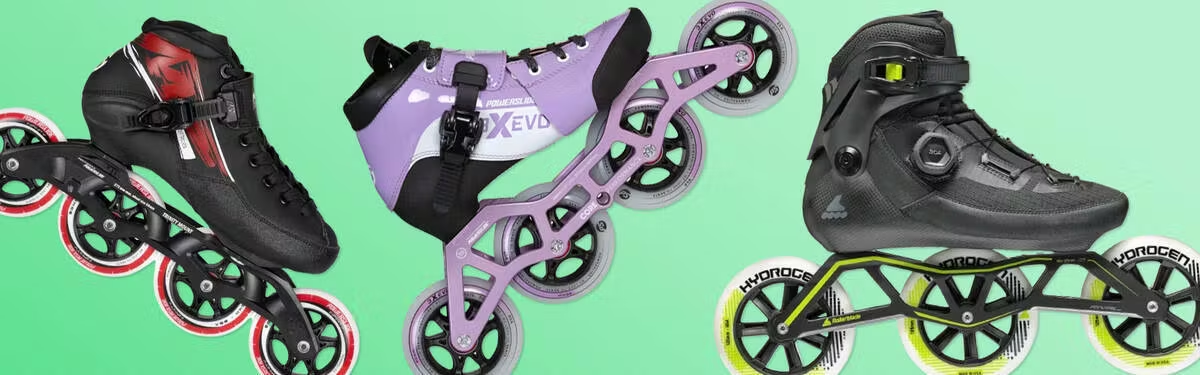
Embarking on inline speed skating requires only speed skates, protective gear, and an appropriate place for training.
Characteristics of Inline Speed Skates
Speed skates differ from regular fitness skates through their boot, frame, and wheel design. In speed skating, every fraction of a second is critical, and the skate’s technical specifications mirror this focus on optimal performance.
- Boot Design: Constructed from rigid carbon fibre with minimal padding, low boots enhance energy transmission.
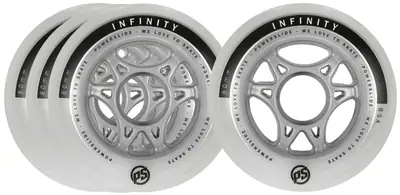
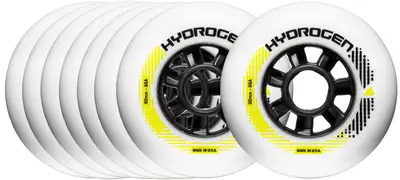
- Wheels: Larger wheels (maximum 125 mm) sustain momentum, and firmer rubber minimises friction to boost speed.
- Frames: Strong, lightweight aluminium or carbon frames ensure power isn't dispersed through flexibility.
Selecting the perfect speed skates involves aligning your expertise level and ambitions. If you're a novice, consider starting with a high-cut boot for more ankle support before moving to a speed skating-specific boot.
Whether you’re skating over long distances on rugged roads or sprinting on a track will also guide your equipment choices. Softer wheels offer traction on uneven surfaces, whereas harder wheels minimise friction on smooth tracks.
Fundamental Speed Skating Techniques
A speed skater's proficiency is defined by their particular speed skating style. Excelling in the following areas is crucial for high performance:
- Speed skating body positioning: To reduce drag, keep a low centre of gravity with your torso parallel to the ground.
- Speed skating push-off: A powerful lateral force applied to the skate edges propels you forward optimally with each stride.
- Speed skating arm movement: Arms maintain rhythm and aid with balance during rapid movements.
- Double push technique: This sophisticated method includes an internal "under-push" before the typical lateral extension, amplifying the power of every stride.
Watch this slow-motion video for an insightful demonstration of the double-push technique, body stance, and arm swing, as executed by elite skaters Mark Horsten and Lars Scheenstra.
Safety Gear for Speed Skating
Given the elevated speeds involved, the critical role of protective gear cannot be understated, even if it might affect your aerodynamics.
Speed skates roll differently than most other inline skates, which come with smaller wheels and supportive cuffs. As a beginner, you're more prone to falls while adapting to these new dynamics; even seasoned skaters risk serious injury at high speeds.
As your skill and commitment to speed skating grow, the quest for specialised protective gear that minimally impacts aerodynamic efficiency becomes a priority. However, the paramount concern is safety, so initially opting for less aerodynamically optimal gear is advisable.
Helmets in Inline Speed Skating
Helmets are compulsory in professional speed skating. Whether you aim to race or just skate for leisure, protecting your head is vital. There's no justification for taking risks with concussions or other head injuries, which can have severe, lasting effects.
When pursuing a speed-specific helmet, choose one offering aerodynamic properties and good ventilation. For enhanced protection against rotational forces, consider helmets featuring MIPS (Multi-directional Impact Protection System). Our range of helmets complies with all safety certifications.
Elbow and Knee Guards in Speed Skating
Freedom of movement and aerodynamic design are top considerations for elbow and knee guards. For a competitive edge, choose low-profile pads instead of bulky, hard-shell types. Many opt for "sleeve-style" guards featuring thin, shock-absorbing foam, offering subtle protection with minimal impact on aerodynamics and mobility.
Wrist Guards in Speed Skating
Use wrist guards to protect against potential fractures or tendon injuries which could lead to lengthy recovery. We suggest choosing snug-fitting models made from sturdy materials to keep the focus on performance rather than injury. Dedicated speed skaters might prefer "second-skin" gloves that provide protection while preserving full dexterity and range of motion.