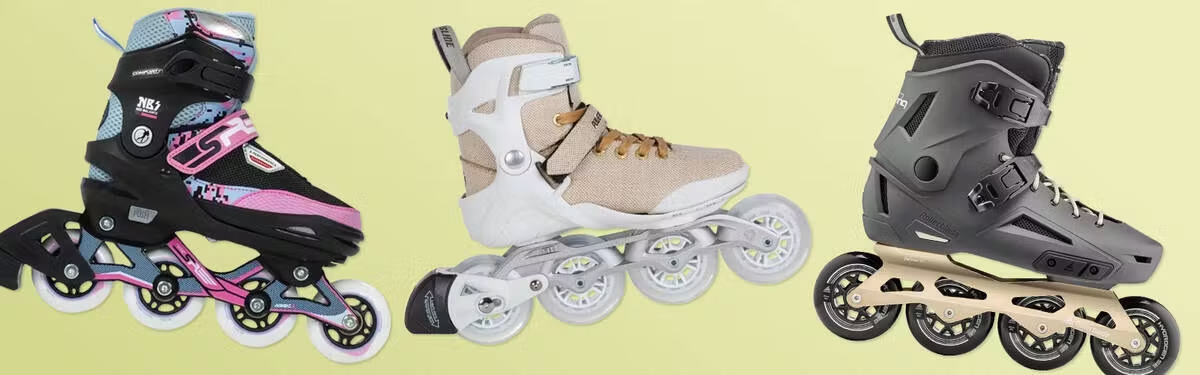
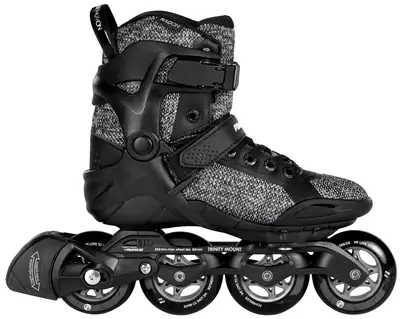
It's crucial to select inline skates that offer both comfort and stability for beginners to foster a favourable skating experience. This guide aims to simplify the process of selecting your first inline skates by compiling our top advice. You'll find all the necessary information to choose the ideal beginner's inline skates.
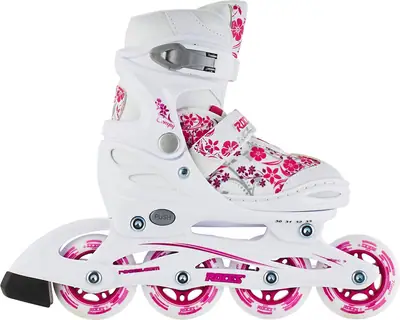
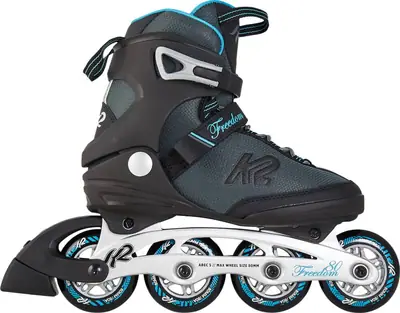
Our inline skates collection includes several outstanding options that cater to beginners. Typically, skates suited for novices fall under recreational or fitness categories. These terms usually imply that the skates are designed for general use rather than specialised functions such as speed or aggressive skating. Perfect for commuting, fitness, and leisure, these skates blend performance with comfort seamlessly.
Overview

Top Picks for Beginner Inline Skates
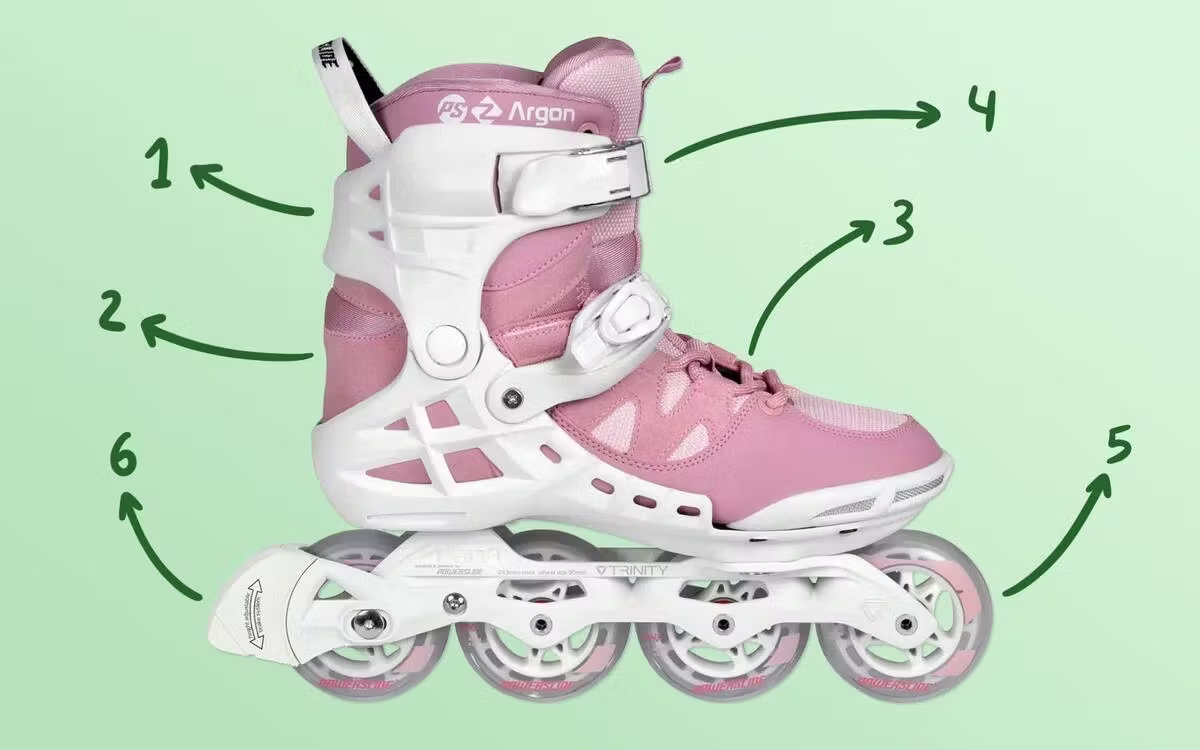
To ensure the best performance and comfort, focus on these features when selecting beginner inline skates:
- High cuffs for side support: Enhance ankle stability and support.
- Breathable foam liners: Offer comfort and airflow while skating.
- Diverse lacing options: Includes traditional laces, speed lacing, or BOA systems for a secure fit.
- Powerstrap and buckle: Ensures your foot remains securely in place.
- Small wheels (maximum 90 mm diameter): Provide better control and manoeuvrability, ideal for newcomers.
- Heel brake: Helps control speed and allows for safe stopping.
Our skate selection showcases models suitable for novices of varying ages and preferences. To aid your search, filter our inline skate categories by skill level.
Determining the Right Size for Beginner Inline Skates
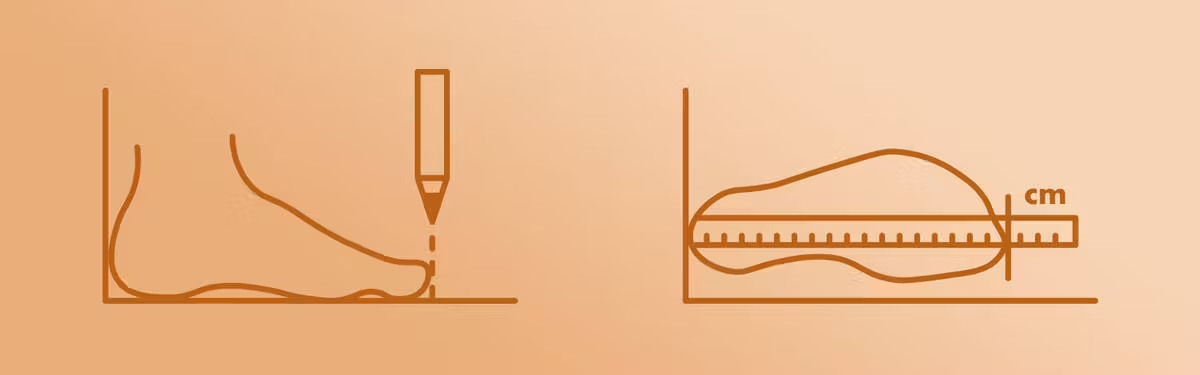
Choosing correctly sized skates is essential for a rewarding first-time skating experience. When purchasing skates online, adhere to the size guide for the specific model you are evaluating and base your choice on precise foot measurements.
For an accurate foot measurement, start by placing your heel against a wall. Next, measure from the wall to the end of your longest toe, guaranteeing the measurement is taken at a perfect right angle to the wall.
Steps to Measure Your Feet Accurately
- Opt for a solid, level surface: Stand with your back against the wall on a firm, level surface to ensure precise measurements.
- Use the socks you plan to skate with: Take measurements while wearing the socks you'll use when skating.
- Position a sheet of paper next to the wall: Place a sheet of paper on the floor, ensuring one edge is against the wall.
- Stand upright: Align your heel with the wall, resting your foot flat on the paper.
- Indicate the furthest toe: Mark the paper where your longest toe reaches.
- Check both feet: Measure each foot, as one is often slightly larger. Use the larger measurement to choose your skate size.
Using a ruler, measure the distance marked on the paper to determine your mondopoint size, which will help you interpret inline skate size charts.
Achieving the Proper Fit for Inline Skates
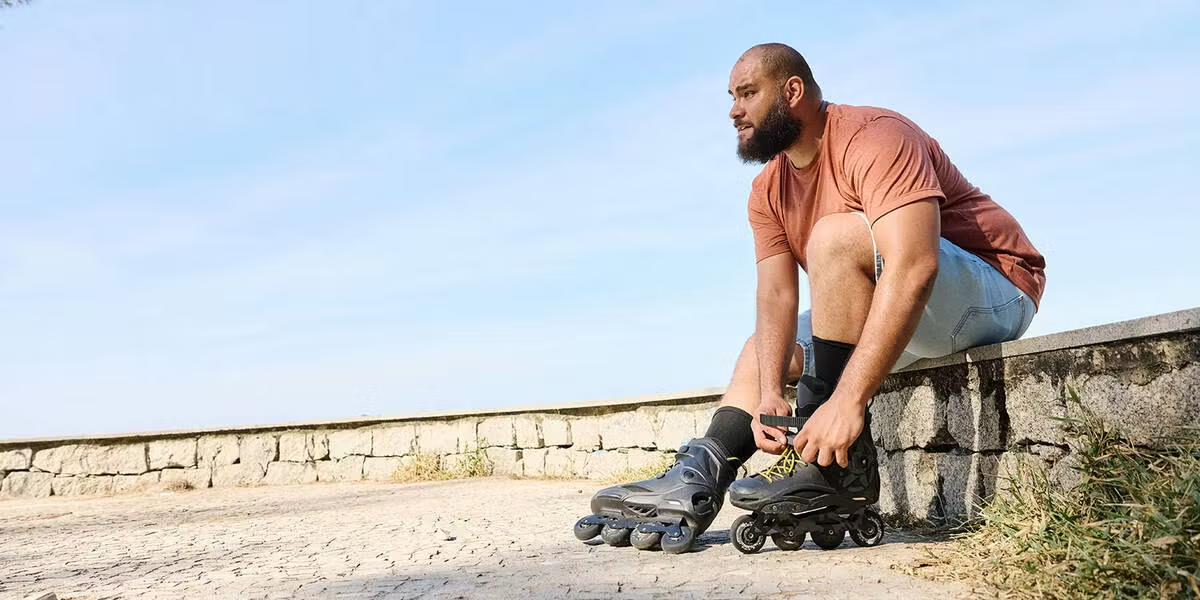
While inline skates should fit snugly, they should remain comfortable. Loose skates may hinder energy transfer from your legs. Evaluate these elements when trying your first skates:
- Breaking In: Skates often have a break-in period where they may initially feel stiff but become more comfortable after some use.
- Secure Heel: Your heel should rest firmly in the heel cup with minimal movement. A secure heel enhances control and reduces blisters.
- Room for Toes: Ensure toes are near the front without feeling squished. Some wiggle space is necessary.
- Support Around Ankles: The ankle area should feel secure yet not overly tight to impede circulation. Knee bending should remain comfortable without excessive pressure.
- Adjustable Closure Mechanisms: Utilize laces, buckles, and straps to fit securely, supporting your foot while allowing for good circulation.
Breaking In Your Inline Skates
As a newcomer, your feet are unused to the confinement of skates. Even skates that fit ideally require a break-in period, with beginners needing to build up resistance in their feet, ankles, and shins.
Consider these suggestions to ease the break-in process:
- Be patient: The break-in may last up to a month. Begin with brief outings and gradually extend them. Initial discomfort is normal as your feet adjust.
- Relax Feet: Focus on relaxing your feet and avoid overtightening laces or straps.
- Prevent Blisters: Experiment with various socks to find the comfiest. Insoles or footies can significantly aid in blister prevention, particularly around heels and ankles.
In case of persistent issues or pain, seek medical advice. Enjoy the journey as your skates become integral to your style.
Get additional insights in our article on insoles, footies, and breaking in new skates:
Mastering the Braking Technique on Beginner Inline Skates
For beginners, inline skates typically feature heel brakes at the back. This offers an intuitive way of braking, providing a safer and simpler method as beginners become comfortable with skate control. Essentially, heel brakes serve as an advantageous stopping option for novices.
Essential Protective Gear for Novice Inline Skaters
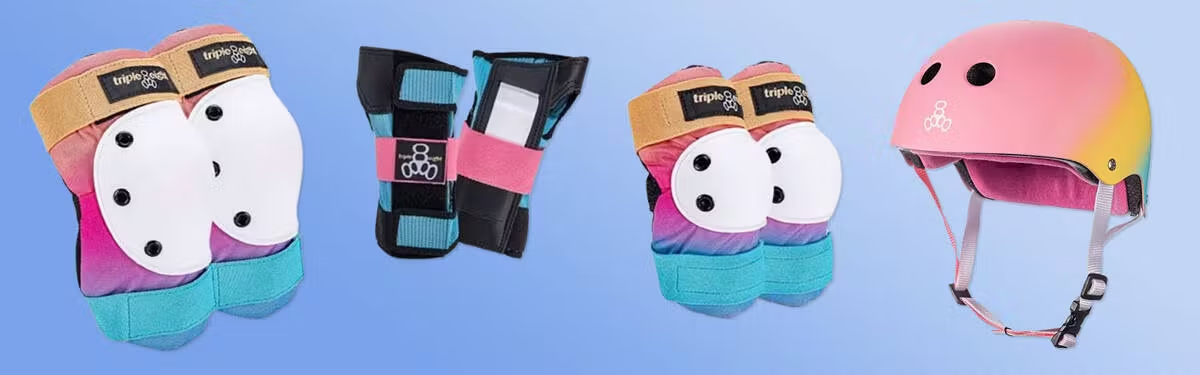
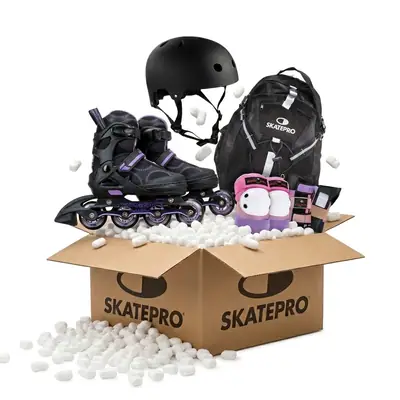
When skating, wearing protective gear is critical for safety. Here's the essential gear you should have as a beginner:
- Helmet: A helmet that fits well is vital for head protection.
- Wrist Guards: These provide critical support and cushion in the event of a fall, helping to prevent wrist injuries.
- Knee Pads: Safeguard your knees against scrapes, bruises, and fractures.
- Elbow Pads: Offer protection for your elbows against impacts and abrasions.
Ensuring you wear this protective equipment minimizes injury risk, making your skating experience both safer and more pleasurable.
Embrace safety with protective gear as a key element of enjoying inline skating. We strongly recommend that all beginners invest in protective gear for their skating endeavours.