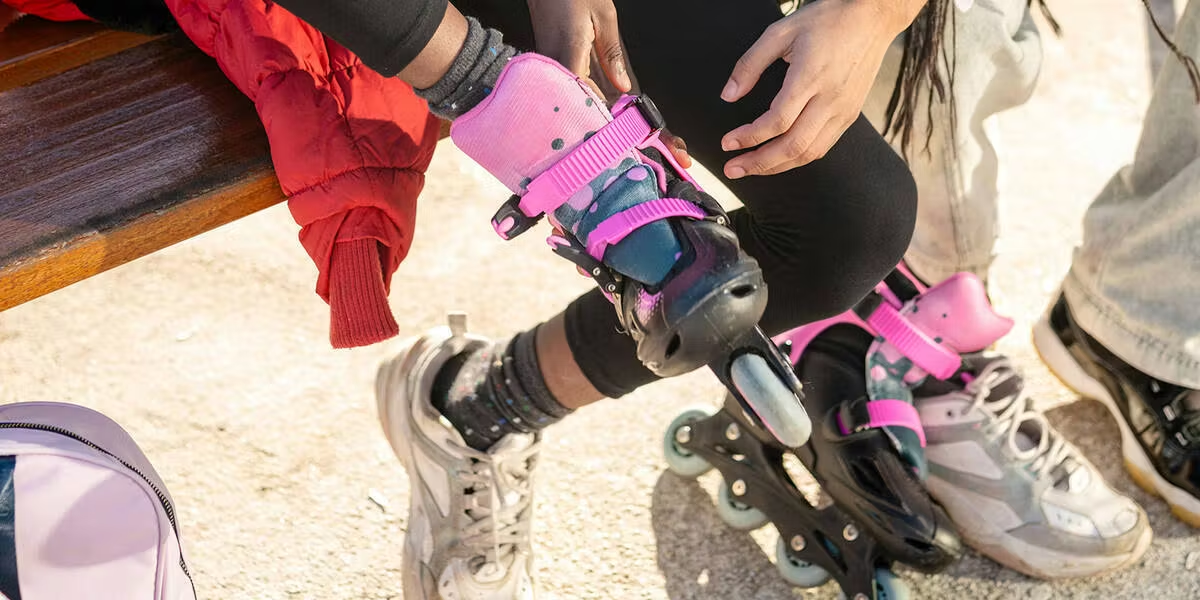
This guide is beneficial for those who have just donned a new pair of inline skates, whether you are skating for health or leisure. It offers practical tips for novices experiencing discomfort, blisters, or foot and ankle pain, as well as for those at an intermediate level who are transitioning to a new boot and wish to expedite the acclimation process for a quicker and more comfortable fit.
You’ve purchased your first pair of inline skates and are eager to begin your skating adventure. Upon trying them on, you might start feeling uneasy as they seem snug and exert pressure on sensitive areas. Don’t fret, we’re here to support you! We’ll explore how to adapt to new inline skates and navigate the initial adjustment phase with minimal inconvenience.
Overview

Overview
Reasons for Discomfort in New Inline Skates
You might be thrilled about your new inline skates, but initial discomfort is quite common. The boots are rigid, your feet are moulding to the shape of the new boot, and your muscles haven’t adapted to the motions involved in skating. These elements can make the first few outings a bit uncomfortable as your body adjusts.
- What to expect: slight pressure on toes or ankles, or mild soreness that diminishes after brief sessions.
- When things are not right: sharp pain, continuous pressure, numbness, or persistent blisters often indicate poor fit.
Expert Tip: You cannot trade your inline or roller skates for a different size if they show signs of usage. We suggest trying them indoors or on a clean surface to ensure the size is suitable.
The following sections delve deeper into fit details.
Initial Considerations: Achieve the Correct Fit Before Breaking In
Prior to beginning the break-in process of your new inline skates, it’s crucial to ensure the fit is appropriate. Boots that are overly tight can cause pinching, blisters, or even impede circulation, whereas ones that are too loose allow foot movement, resulting in discomfort and instability. A proper fit from the outset makes your skating experience more enjoyable and comfortable.
Pointers for verifying fit:
- Heel and ankle: Your heel should fit snugly, without lifting when walking or skating.
- Toes: Allow space for movement; toes should not be pressed against the front.
- Width: The boot should feel secure across the midfoot but not painfully tight.
- Laces and closures: Ensure even tension adjustment. Unequal pressure can create discomfort and "hotspots".
Correct fit from the beginning eases the break-in phase and ensures painless skating sessions. No amount of breaking in can rectify a boot with an improper fit.
Breaking In New Inline Skates
Now that you've confirmed a proper fit, let’s break those skates in! Initial sessions focus on helping your boots and feet adjust comfortably. Consider these factors:
- Socks: Opt for moisture-wicking socks and avoid cotton to reduce blisters.
- Lacing technique: Initially loosen, then secure the ankle strap without over-tightening.
- Short initial sessions: Begin with 20 to 30-minute skates on smooth surfaces, gradually increasing the duration.
- Posture awareness: Keep knees slightly bent to alleviate pressure from toes.
- Optional modifications: Certain liners can be heat-moulded for a bespoke fit.
- Anticipate minor issues: "Hotspots" or small blisters are common. Persistent pain = Reassess Fit.
Expert Tip: Most individuals experience initial comfort after approximately 5 to 10 miles of inline skating. Exercise patience, and your skates, along with your feet, will acclimate with regular use.
Avoiding and Addressing Blisters & Foot Discomfort
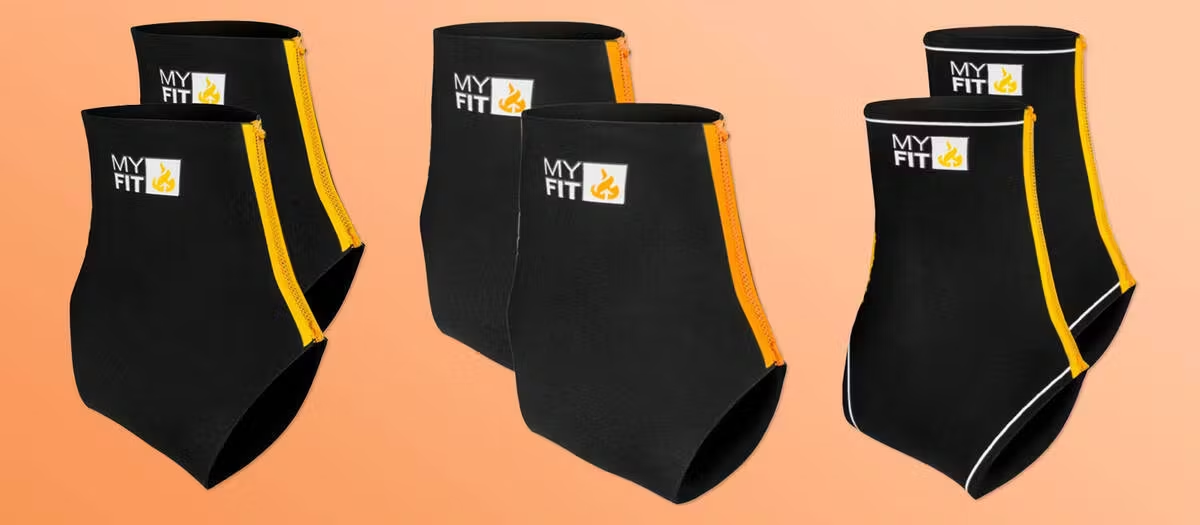
Blisters commonly appear on ankles, heels, or foot sides, typically due to ill-fitting boots, unsuitable socks, or improper fit. The positive news? With some care and a few tricks, you can achieve comfortable feet and longer, painless skating escapades.
A strategic approach is utilising ankle supports or neoprene footies. These aid in cushioning sensitive areas and decreasing friction. Pay attention to laces and straps, keeping them tight enough to secure your foot, but not so tight as to cause discomfort. If feet tend to move, consider switching or adding insoles for a better fit and enhanced stability.
During your skating ventures, take brief intermissions to inspect your feet. This quick check can prevent minor irritations from escalating into full blister formations. Keeping blister pads or tape handy can help manage problem areas before they hinder your enjoyment.
If a blister develops, it’s crucial not to ignore it. Pause your activities until it heals, ensure proper treatment, and reassess your boot fit and socks to prevent recurrence.
With a good fit, protective measures, and some care, you can ward off uncomfortable blisters and enjoy smoother skating journeys.
Timeframe for Breaking In New Inline Skates
Most skaters observe improvements in boot comfort after 2 to 3 sessions (equivalent to about 5 to 10 miles). However, experiences vary according to boot type, brand, liner, foot shape, and usage frequency.
If discomfort endures beyond several weeks, the fit might be unsuitable regarding width or length, or perhaps it isn’t a compatible match for your foot.
Tips for easing the break-in process:
- Commence with brief sessions.
- Walk indoors to soften and adapt the liner.
- Gradually increase the duration and intensity.
Through time and gradual progression, your skates will start feeling more comfortable, enabling extended rides without discomfort.
Quick Tips for Breaking In
Expedite comfortability in your new skates using these straightforward tips:
- Utilise thicker or technical socks: They help in reducing friction and ensuring a better boot fit.
- Heat mouldable liners or boots: Tailor the fit if your skates offer heat mouldable liners.
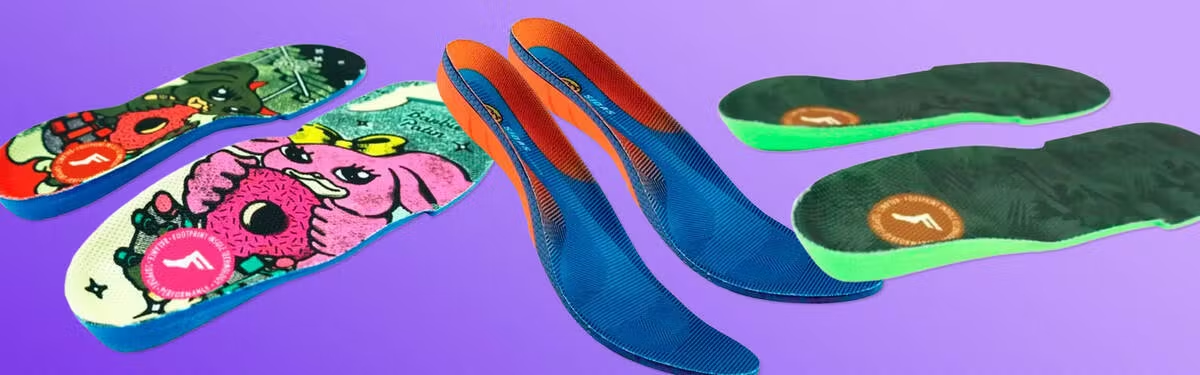
- High-quality insoles: Enhance support and comfort.
- Wear skates inside: Soften liners before lengthy sessions.
Common Queries
Why does skating cause foot discomfort?
The primary causes of foot discomfort often stem from improper fit, inadequate lacing, or technical difficulties. Persistent discomfort calls for a fit analysis first, ruling out size discrepancies. If no issues are found there, reassess your lacing technique. Heel lift during skating can lead to blisters around the ankle, potentially alleviated by lace adjustments and tightening. Your skating technique also influences comfort. Refer to our guide:
Should new skates initially feel tight or cause discomfort?
A snug fit is expected initially but not sharp pain or numbness. Towing movement should be possible, but foot mobility inside the skate should be restrained.
What number of sessions or miles is typical for breaking in new inline skates?
Most skaters see improvements after 2 to 3 sessions, or approximately 5 to 10 miles. The timeframe varies depending on circumstances, with no definitive answer.
How can blisters from skating be avoided?
Utilise suitable socks, ankle sleeves, or footies, ensure boots are well-fitted, and periodically examine your feet. Allow blisters to heal and re-enter skating carefully with preventive measures to avoid recurring blisters. Consider this advice:
- Exclude size issues; too-small skates are uncomfortable and unlikely to stretch significantly after a few sessions.
- Double-check lacing technique to prevent heel lifts by securing skates properly.
- Think about ankle supports.
How should the fit be addressed if discomfort remains after breaking in?
Revaluate boot size, width, and socks. Consistent discomfort often indicates an ill-fitting boot.
Could insoles enhance comfort or fit during skating?
Yes, quality insoles offer improved arch support, better lockdown, and enhanced overall comfort.
Explore more about insoles for inline skates. In the video below, Jeppe addresses insoles, shock absorption, and related topics.
Are there any efficient tricks for breaking in skates?
Utilising short sessions, walking indoors, and frequent home use assists in breaking them in.
Is it acceptable if toes touch the boot front?
Light toe contact is permissible, but they should not experience pressure or cramping.
Can new boots be worn for extended periods of skating?
This is not advisable. Gradually increase skating duration during the break-in phase.